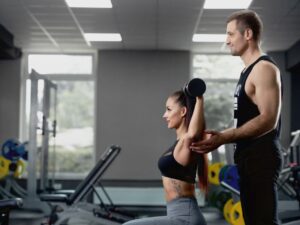
Losing weight in a busy city like New York can be overwhelming, but personal training offers a structured and customized approach to achieving your fitness goals. If you’re on the Upper West Side and looking for a weight loss gym, personal training can help you stay accountable, build strength, and burn fat efficiently.
This article will guide you through everything you need to know about personal training for weight loss, including its benefits, workout strategies, nutrition tips, and how to choose the best personal trainer for your needs.
Why Personal Training is the Best Option for Weight Loss
Losing weight isn’t just about running on a treadmill for hours; it’s about training smarter, not harder. Personal training helps with weight loss by:
- Creating Custom Workouts – Every person has different needs, and a trainer tailors workouts for maximum fat burning.
- Providing Expert Guidance – Proper form and technique reduce the risk of injury.
- Keeping You Accountable – Regular sessions keep you on track and motivated.
- Ensuring Faster Results – A trainer optimizes workouts to maximize calorie burn.
How Personal Training Works for Weight Loss
A well-structured personal training program includes a mix of cardio, strength training, flexibility, and nutrition guidance. Here’s a breakdown of what to expect:
1. Assessment and Goal Setting
Your journey starts with an evaluation where the trainer checks:
- Current weight and body composition
- Fitness level and endurance
- Strength and flexibility
- Dietary habits
Setting realistic goals is important. Instead of just focusing on a number on the scale, trainers help you focus on body fat percentage, muscle gain, and overall health.
2. Custom Workout Plan for Fat Loss
Weight loss workouts are structured with a mix of:
- High-Intensity Interval Training (HIIT) – Short bursts of intense activity followed by rest, which burns fat faster.
- Strength Training – Building muscle increases your metabolism, so you burn calories even at rest.
- Cardio Workouts – Running, cycling, and stair climbing improve endurance and help shed excess fat.
- Flexibility & Mobility – Yoga and stretching improve recovery and reduce injuries.
Best Workout Strategies for Weight Loss
1. High-Intensity Interval Training (HIIT)
HIIT is a game-changer for weight loss. Instead of spending an hour on a treadmill, a 20-30 minute HIIT session can burn just as many calories while boosting metabolism for hours after.
Example HIIT Workout:
- Jump Squats – 30 sec
- Burpees – 30 sec
- Mountain Climbers – 30 sec
- Rest – 30 sec
(Repeat for 4-5 rounds)
2. Strength Training to Boost Metabolism
Muscle burns more calories than fat, even when you’re not working out. That’s why strength training is essential for weight loss. Some effective exercises include:
- Squats
- Deadlifts
- Push-ups
- Lunges
- Dumbbell Rows
Trainers focus on progressive overload, increasing weights over time for continued fat loss.
3. Functional Training for Everyday Strength
Functional exercises mimic daily activities, improving movement efficiency. These include:
- Kettlebell swings
- Medicine ball throws
- Battle ropes
This type of training enhances fat burning and builds core strength.
4. Steady-State Cardio for Fat Burning
While HIIT is great, steady-state cardio (e.g., brisk walking, jogging, cycling) is also essential. Doing 30-45 minutes of moderate cardio helps with fat oxidation.
The Role of Nutrition in Weight Loss
You can’t out-train a bad diet. Proper nutrition makes up 70-80% of weight loss success.
1. Eating in a Caloric Deficit
Weight loss happens when you burn more calories than you consume. Trainers help calculate your daily calorie needs to ensure you’re in a deficit.
2. Balanced Macros: Protein, Carbs, and Fats
- Protein – Builds muscle and keeps you full longer (e.g., chicken, fish, eggs, tofu).
- Healthy Carbs – Provides energy (e.g., brown rice, quinoa, sweet potatoes).
- Good Fats – Essential for metabolism (e.g., avocado, nuts, olive oil).
3. Meal Timing and Portion Control
- Eating every 3-4 hours maintains energy levels.
- Pre- and post-workout meals optimize performance and recovery.
4. Hydration and Fat Loss
- Drinking 2-3 liters of water daily prevents overeating.
- Green tea and black coffee boost metabolism.
How to Stay Motivated on Your Weight Loss Journey
Losing weight is not just physical—it’s mental. Here’s how to stay motivated:
1. Track Your Progress
- Use a fitness journal or an app to monitor workouts and food intake.
- Take progress photos instead of relying only on the scale.
2. Set Small, Achievable Goals
- Losing 1-2 pounds per week is realistic and sustainable.
- Celebrate non-scale victories like increased strength and endurance.
3. Find a Support System
- Workout with a friend or join a fitness community for accountability.
- Share your goals with your trainer—they will keep you on track.
4. Reward Yourself
- Treat yourself to new workout gear instead of junk food.
- Schedule a recovery massage after hitting a milestone.
Choosing the Best Personal Trainer on the Upper West Side
Finding the right trainer is crucial for success. Here’s what to look for:
1. Certification & Experience
Ensure the trainer is certified by organizations like:
- NASM (National Academy of Sports Medicine)
- ACE (American Council on Exercise)
- ISSA (International Sports Sciences Association)
2. Specialization in Weight Loss
Some trainers specialize in fat loss, metabolism boosting, or strength training. Choose one that aligns with your specific goals.
3. Client Reviews & Testimonials
Check for positive client success stories—proof that the trainer gets real results.
4. Personal Connection & Motivation Style
Find a trainer whose coaching style matches your personality. Some people need tough love, while others prefer positive reinforcement.
Final Thoughts on Personal Training for Weight Loss
Losing weight requires a solid plan, consistency, and expert guidance. Personal training on the Upper West Side offers the best support system for fat loss, strength building, and long-term fitness success.
By combining customized workouts, proper nutrition, and accountability, personal trainers help you lose weight efficiently and keep it off. Whether you’re a beginner or have struggled with weight loss before, working with a trainer will push you past plateaus and help you achieve lasting results.
FAQs
1. How long does it take to see results with personal training?
Most people see noticeable changes within 4-8 weeks, depending on consistency and diet.
2. Is strength training better than cardio for weight loss?
Both are important, but strength training increases metabolism, leading to long-term fat loss.
3. How many sessions per week are ideal for weight loss?
3-5 sessions per week, including strength, cardio, and recovery, yield the best results.
4. Can I lose weight without dieting if I exercise a lot?
No, nutrition plays a key role. You must be in a calorie deficit to lose weight.
5. What’s the best workout for belly fat?
HIIT, core exercises, and full-body strength training burn belly fat effectively.