- Home/
- Buy Prednisolone Without Prescription Online in the United States
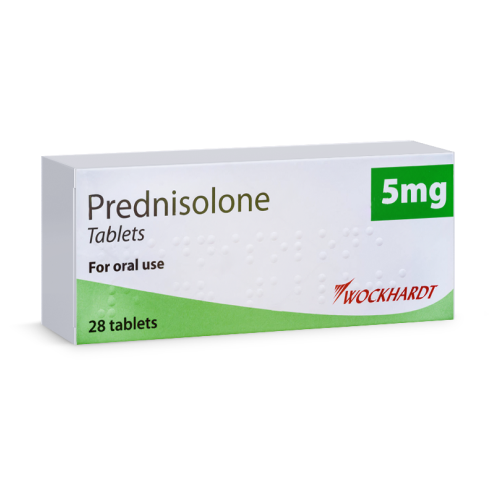
Can Prednisolone Be Obtained Without a Prescription in the United States?
No, Prednisolone is a prescription-only medication in the United States. It cannot be lawfully dispensed without a valid prescription from a licensed healthcare provider.
Key Takeaways: What You Need to Know About Prednisolone in the United States
- Prednisolone is used to manage various inflammatory and autoimmune conditions, including asthma, arthritis, and severe allergies.
- A prescription is required to obtain Prednisolone in the United States.
- Improvement in symptoms may be noticeable within several hours to a few days, depending on the condition.
- Serious side effects can occur, especially with long-term use; regular monitoring is essential.
- Prednisolone is not a cure—it helps control inflammation but does not treat the underlying cause of most conditions.
- Consult a healthcare professional immediately if you experience severe side effects or signs of infection.
How Does Prednisolone Work? Mechanism of Action and Biochemical Effects
Prednisolone is a synthetic glucocorticoid—a class of corticosteroids that mimic the action of natural hormones produced by the adrenal cortex. It acts principally by binding to intracellular glucocorticoid receptors, which then modulate the expression of anti-inflammatory genes and suppress the transcription of pro-inflammatory cytokines and mediators.
- At the cellular level, Prednisolone inhibits phospholipase A2, reducing the release of arachidonic acid and thus decreasing the synthesis of prostaglandins and leukotrienes.
- It also interferes with immune cell trafficking and function by reducing lymphocyte proliferation, neutrophil migration, and macrophage activity.
- This broad anti-inflammatory action leads to decreased swelling, redness, heat, and pain at sites of inflammation.
- In some diseases, Prednisolone can also suppress abnormal immune responses, which is why it’s used in autoimmune disorders.
Metaphor: Think of Prednisolone as a “fire chief” that calms down the body’s overzealous firemen (immune cells), preventing them from causing collateral damage while fighting what they see as a threat.
Prednisolone’s effect does not require specific external conditions to be effective; it acts independently but is more effective when the inflammatory process is active.
When Expectations Outpace Reality: What Patients Often Misunderstand About Prednisolone
In my practice, I often see patients expecting rapid, almost immediate relief from Prednisolone—especially when prescribed for painful or distressing symptoms. While acute symptoms such as asthma exacerbation or allergic reactions can improve substantially within hours, many chronic conditions respond more gradually, over several days. Another frequent misconception is that Prednisolone cures the underlying disease; in reality, it’s a powerful tool to control inflammation but rarely addresses the root cause. Patients seldom ask about the long-term risks or the need for careful tapering, focusing mostly on short-term relief. It’s important to discuss these nuances early, as stopping corticosteroids abruptly or self-adjusting the dose can be dangerous. I wish more patients would ask about the necessary monitoring and lifestyle modifications required during therapy, as these greatly improve safety and outcomes.
How Should Prednisolone Be Taken? Dosage, Onset, and Duration of Action Explained
Prednisolone dosing is highly individualized and depends on the specific condition, patient age, weight, and clinical response. In the United States, your physician will determine the appropriate starting dose and adjust it as needed. Below are general principles:
- Typical adult doses: For acute inflammation, doses often range from 5 mg to 60 mg per day. Severe cases (e.g., asthma attacks, acute exacerbations) may require higher initial doses followed by gradual tapering.
- Children: Dosing is weight-based and closely monitored.
- Elderly or those with liver impairment: Lower starting doses may be appropriate, with slower titration and careful observation for side effects.
- Maximum daily dose: Should never exceed 80 mg unless under close hospital supervision.
- Timing: Prednisolone is usually taken in the morning to mimic natural corticosteroid rhythms and reduce sleep disturbances.
Tablets can often be split, but not all formulations are designed for this—check with your pharmacist or prescriber before doing so. Prednisolone also comes as a liquid for those who have difficulty swallowing pills.
Onset of action: Oral Prednisolone typically begins to work within a few hours for acute conditions, but full benefit in chronic disease may take several days.
Duration of action: Usually lasts 12–36 hours, depending on the dose and individual metabolism.
Prednisolone Reference Table: Key Characteristics
| Parameter | Value |
|---|---|
| Available Strengths | 1 mg, 2.5 mg, 5 mg, 10 mg, 20 mg tablets; oral solution 5 mg/5 mL |
| Formulations | Tablet, oral solution, occasionally injectable in hospital settings |
| Typical Adult Dose Range | 5–60 mg/day (varies by indication) |
| Half-life (T1/2) | 2–4 hours |
| Onset of Effect | 2–4 hours (acute symptoms); up to several days (chronic use) |
| Duration of Effect | 12–36 hours |
| Storage | Room temperature, protect from light and moisture |
| Prescription Required? | Yes (United States) |
Does Food, Alcohol, or Other Substances Affect Prednisolone? What Should You Avoid?
Food: Prednisolone can be taken with or without food, but taking it with food may reduce gastrointestinal irritation.
- High-fat meals do not significantly delay absorption, but may help reduce stomach upset for sensitive individuals.
Alcohol: Moderate alcohol consumption is not strictly prohibited, but it is advised to limit intake. Alcohol can aggravate gastrointestinal irritation and increase the risk of ulcers or bleeding—especially with long-term or high-dose use.
- Compatibility check table:
| Product | Can it be combined? | Consequences |
|---|---|---|
| Alcohol | Limited/Minimize | Increased risk of GI irritation/ulcers |
| Grapefruit juice | Yes | No known significant effect |
| NSAIDs (e.g., ibuprofen) | With caution | Increased risk of GI bleeding |
| Anticoagulants (e.g., warfarin) | With caution | May alter blood clotting; monitor closely |
| Vaccines (live attenuated) | NO | Risk of infection; avoid live vaccines during therapy |
Avoid abrupt changes in diet or supplement use during steroid treatment, as sudden shifts (especially involving salt or potassium) may impact blood pressure or electrolyte balance.
Who Should NOT Take Prednisolone? Contraindications and High-Risk Groups
Absolute contraindications (never use):
- Systemic fungal infections—risk of worsening infection.
- Known hypersensitivity to Prednisolone or any inactive ingredient.
- Receipt of live vaccines during therapy.
Relative contraindications (use with caution, under strict medical supervision):
- Uncontrolled hypertension or heart failure—Prednisolone can cause fluid retention and worsen these conditions.
- Peptic ulcer disease or significant gastrointestinal bleeding history—increases risk of complications.
- Diabetes mellitus—may worsen glucose control.
- Severe renal impairment—risk of fluid overload and electrolyte disturbances.
- Psychiatric disorders—may exacerbate mood swings, psychosis, or depression.
- Severe osteoporosis or recent bone fractures—increases risk of further bone loss.
- Recent myocardial infarction (heart attack)—Prednisolone can impair healing; use only if clearly indicated and under specialist care.
Short courses may be used in acute, life-threatening situations even if relative contraindications exist, but only under direct physician supervision.
What Side Effects Should You Watch for With Prednisolone?
Very common (>1/10):
- Increased appetite and weight gain
- Difficulty sleeping (insomnia)
- Fluid retention (swelling of hands/feet)
- Elevated blood sugar
Common (1/100 to 1/10):
- High blood pressure
- Muscle weakness
- Mood changes (anxiety, irritability)
- Indigestion or stomach pain
- Delayed wound healing
- Vision changes (blurred vision or cataracts with long-term use)
Rare (1/1,000 to 1/10,000):
- Serious infections (due to immune suppression)
- Psychiatric disturbances (mania, psychosis)
- Adrenal suppression (body stops making its own steroids)
- Severe bone loss (osteonecrosis)
Very rare (<1/10,000):
- Pseudotumor cerebri (headaches, vision changes)
- Severe allergic reactions (anaphylaxis)
Mechanism: Many side effects result from interference with normal hormone balance (e.g., increased blood sugar due to impaired insulin action, weight gain due to fluid retention/appetite stimulation).
If you experience: Severe mood changes, vision loss, difficulty breathing, signs of infection (fever, cough, persistent sore throat), or severe abdominal pain, contact your doctor immediately or seek emergency care.
Common Pitfalls: What Patients Frequently Get Wrong With Prednisolone Therapy and How to Avoid Them
- Stopping Prednisolone abruptly: Doing so can lead to adrenal crisis—a potentially life-threatening condition. Always taper as advised by your physician.
- Self-adjusting the dose: Increasing or decreasing your dose without medical supervision can cause ineffective treatment or dangerous side effects. Never change your dose on your own.
- Ignoring infection symptoms: Because Prednisolone suppresses the immune system, infections may not cause typical symptoms. Report any signs of illness—even mild ones—promptly.
- Missing follow-up appointments: Regular monitoring of blood pressure, blood glucose, and other parameters is essential to catch complications early.
- Taking Prednisolone late in the day: This can worsen insomnia and disrupt circadian rhythms. Take doses in the morning unless otherwise directed.
- Not taking with food when recommended: Skipping food may increase the risk of stomach upset or ulcers.
Best practice: Always follow your physician’s directions precisely, attend all recommended monitoring visits, and keep a list of your medications to review with your healthcare team.
Prednisolone vs Other Corticosteroids: How Does It Compare?
Prednisolone is often compared to Prednisone and Methylprednisolone—other commonly prescribed corticosteroids in the United States. Here’s a structured comparison based on clinical criteria and typical pricing:
| Characteristic | Prednisolone | Prednisone | Methylprednisolone |
|---|---|---|---|
| Onset of action | 2–4 hours | 2–4 hours (requires liver activation) | 2–3 hours |
| Duration of effect | 12–36 hours | 12–36 hours | 18–36 hours |
| Typical cost (per 5 mg tablet, USD) | $0.15–$0.80 | $0.10–$0.60 | $0.25–$1.00 |
| Common formulations | Tablet, oral solution | Tablet | Tablet, injection |
| Requires liver activation? | No | Yes | No |
| FDA-approved indications | Wide range: allergies, asthma, autoimmune, etc. | Similar to Prednisolone | Similar, with more acute use in hospital settings |
| Notable differences | Preferred in liver impairment | Not ideal for liver dysfunction | Often given as injection for acute flare-ups |
Bottom line: Prednisolone is preferred when rapid action is needed and in patients with liver dysfunction. Prednisone is less expensive but requires liver activation. Methylprednisolone may be chosen for intravenous or intramuscular use in severe flares.
Prices as of 2026; actual costs may vary by pharmacy and insurance plan.
Step-by-Step: How to Get Prednisolone in the United States
- Consult a qualified healthcare provider: Schedule an appointment with a primary care physician, specialist, or use a reputable telehealth service if available in your state.
- Medical assessment: Your provider will evaluate your symptoms, medical history, and determine if Prednisolone is appropriate.
- Receive your prescription: If indicated, the doctor will write a prescription, which can be sent electronically to a licensed pharmacy of your choice.
- Pharmacy fulfillment: Present identification at the pharmacy. The pharmacist will counsel you on correct usage, side effects, and answer any questions.
- Begin therapy: Take Prednisolone exactly as prescribed, and follow up with your healthcare provider as scheduled for monitoring and dose adjustments.
Tip: Many insurance plans in the United States cover the cost of Prednisolone. Discuss coverage and copays with your pharmacy or insurer.
People Also Ask: Quick Answers to Common Prednisolone Questions (United States)
- How quickly does Prednisolone start to work?
- Prednisolone typically starts reducing inflammation within hours for acute conditions. For chronic diseases, it may take several days to see noticeable improvement.
- Is Prednisolone safe for long-term use?
- Long-term use carries significant risks (osteoporosis, diabetes, infection, adrenal suppression). Extended therapy should only be used under strict medical supervision with regular monitoring.
- Do I need a prescription for Prednisolone in the United States?
- Yes. Prednisolone is a prescription-only medication and cannot be obtained legally without a doctor’s order.
- What should I do if I miss a dose?
- If you miss a dose, take it as soon as you remember. If it’s almost time for your next dose, skip the missed one—do not double up.
- Are there alternatives to Prednisolone?
- Yes, alternatives include Prednisone, Methylprednisolone, and other corticosteroids. The choice depends on your condition and medical history. Discuss options with your healthcare provider.
- How much does Prednisolone cost without insurance?
- Generic Prednisolone typically costs $0.15–$0.80 per 5 mg tablet. Prices vary by pharmacy and region. Insurance may significantly reduce out-of-pocket cost.
- Does Prednisolone interact with other medications?
- Yes. Prednisolone can interact with NSAIDs, anticoagulants, diabetes medications, and others. Always inform your doctor and pharmacist of all medications and supplements you are taking.
- Can I stop Prednisolone suddenly?
- No. Stopping suddenly can cause adrenal insufficiency. Always taper Prednisolone gradually under medical supervision.
- Does Prednisolone make you gain weight?
- Weight gain is a common side effect due to increased appetite and fluid retention, especially with higher doses or longer treatment courses.
- What should I do if I experience side effects?
- Contact your healthcare provider immediately if you develop severe or unexpected side effects. Do not stop taking Prednisolone without consulting your doctor.
Answers from doctor: Practical Insights on Prednisolone Therapy
- How do I know if Prednisolone is working for me?
Most patients notice improvement in their key symptoms—such as reduced swelling, less pain, or improved breathing—within a few days. If you do not notice any change, or if your symptoms worsen, contact your doctor for further assessment. Response time varies by condition. - Are there lifestyle changes I should make during Prednisolone treatment?
Yes. Maintaining a healthy diet low in salt and sugar, monitoring your weight, staying physically active, and avoiding exposure to infections are important. Your doctor may recommend calcium and vitamin D supplements if you will be taking the medication for more than a few weeks. - Can Prednisolone affect my mood or mental health?
Mood changes, including anxiety, irritability, or euphoria, are possible—particularly at higher doses or with prolonged use. Please let me know if you experience any significant changes in mood or behavior. - How do I monitor for side effects at home?
I recommend keeping track of your weight, blood pressure (if possible), and blood sugar (if diabetic). Watch for swelling, easy bruising, or signs of infection. Inform me promptly if you encounter significant changes. - How often will I need check-ups or lab work?
Frequency depends on your dose and treatment duration. Short courses may require minimal monitoring, but chronic therapy often involves regular blood tests, bone health evaluation, and eye exams. - Is it safe to receive vaccines while on Prednisolone?
Inactivated (non-live) vaccines are generally safe. However, live vaccines should be avoided during corticosteroid therapy, as your immune response may be suppressed. Always discuss vaccination plans before starting any new vaccines. - What happens if I need surgery while taking Prednisolone?
You’ll need to inform your surgical team, as you may require additional steroids (“stress dosing”) to help your body cope with surgical stress. Never stop Prednisolone abruptly before surgery.
Prednisolone Pharmacokinetics: How Is It Processed and Eliminated?
Absorption: Prednisolone is rapidly absorbed from the gastrointestinal tract after oral administration, reaching peak blood levels in 1–2 hours.
Metabolism: Primarily metabolized in the liver, predominantly by CYP3A4 enzymes. Patients with severe liver dysfunction may require dosage adjustment or alternative therapies.
Elimination: Metabolites are mainly excreted in the urine. The elimination half-life is typically 2–4 hours, but therapeutic effects persist much longer due to genomic actions in tissues.
Special considerations: In patients with kidney impairment, accumulation is not usually clinically significant but may require monitoring for fluid and electrolyte disturbances.
Special Populations: Children, Elderly, Pregnancy, and More
- Children: Closely monitored weight-based dosing is required. Long-term use can impair growth and development.
- Elderly: Increased risk of osteoporosis, diabetes, and hypertension; use lowest effective dose and regular monitoring.
- Pregnancy: Prednisolone crosses the placenta, but is sometimes preferred over other steroids if corticosteroids are necessary. Risk-benefit assessment is essential.
- Breastfeeding: Prednisolone is excreted in breast milk in small amounts. Short-term low-dose use is generally considered compatible, but consult your physician.
- Fertility: No significant effects expected at standard doses; very high/prolonged use may disrupt menstrual cycles.
- Driving and machinery: Prednisolone does not directly impair driving, but side effects such as mood changes or blurred vision may. Assess your individual response before operating vehicles or heavy machinery.
Original vs Generic Prednisolone: What’s the Difference?
Generics: Generic Prednisolone contains the same active ingredient and is required by the FDA to meet strict standards for bioequivalence, safety, and efficacy as the original branded product. Generics often cost significantly less.
Inactive ingredients (excipients): These may differ between brands and generics—rarely, some individuals may have sensitivities to certain fillers or dyes. Consult your pharmacist if you have known allergies.
Advantages of generics: Lower cost, equal effectiveness, widely available.
Bottom line: For most patients in the United States, generics provide equivalent therapeutic benefit at a fraction of the price of brand-name products.
“Quality Check”: How to Verify Your Prednisolone Product in the United States
- Prednisolone tablets are typically white or off-white, round or oval, and may have an imprint code (e.g., “54 375” or manufacturer logo).
- Packaging should be sealed, with clear labeling in English, and a lot number and expiration date printed on the container.
- Many legitimate manufacturers include QR codes, holograms, or tamper-evident seals; scan QR codes with your smartphone for verification if available.
If your medication looks unusual, has inconsistent packaging, or was purchased at an unusually low price, consult your pharmacist before use. Report suspicious products to the FDA’s MedWatch program.
How to Identify Counterfeit Prednisolone and Avoid “Grey Market” Risks
Counterfeit medications are a real risk, especially from unregulated online sources.
- Original products have clear, professional labeling, consistent tablet appearance, and come from licensed pharmacies.
- Counterfeit signs include spelling mistakes, missing lot numbers, poor print quality, or packaging in foreign languages.
- Low prices or offers without a prescription requirement are common red flags.
- Generics are approved by the FDA and should be dispensed by licensed pharmacies with proper labeling and documentation.
If in doubt, ask your pharmacist or report concerns to the FDA.
Pharmacy Safety Guide: How to Find Legitimate Online Pharmacies in the United States
- Look for pharmacy verification: Licensed online pharmacies in the United States are accredited by the National Association of Boards of Pharmacy (NABP) and display the “.pharmacy” domain or the VIPPS seal.
- Check the FDA’s BeSafeRx program: (https://www.fda.gov/drugs/besafe-rx-your-source-safe-online-pharmacies).
- Never buy from sites offering prescription medicines without a valid prescription.
- Avoid websites based outside the United States, those offering “international shipping” for prescription drugs, or those with unclear contact information.
- Only purchase from pharmacies that require a prescription, provide licensed pharmacist counseling, and have a physical address in the United States.
In Case of Overdose: What Should You Do?
- Stop taking Prednisolone immediately.
- Call 911 or your local emergency number for immediate assistance.
- Provide emergency personnel with as much information as possible: dosage, time taken, and any symptoms.
- Do not attempt to induce vomiting unless instructed by poison control or emergency staff.
Symptoms to watch for: Severe confusion, high blood pressure, rapid weight gain, persistent vomiting, or seizures.
Overdoses may cause severe complications and require urgent medical attention.
Psychological Aspects: You Are Not Alone in Facing Inflammation
Chronic inflammatory and autoimmune conditions are common and nothing to be ashamed of. If you feel overwhelmed or discouraged, consider discussing your concerns with your healthcare provider, a counselor, or a supportive friend or family member. Emotional well-being is an important part of overall health.
Myth vs Reality: Setting Realistic Expectations For Prednisolone
- Myth: Prednisolone works instantly for all symptoms.
- Reality: Many symptoms improve quickly, but full effects—especially in chronic disease—may take several days.
- Myth: It cures the root cause of inflammation.
- Reality: It controls inflammation, but does not cure the underlying disease.
- Myth: Side effects are rare and only occur with high doses.
- Reality: Even lower doses can cause significant side effects in susceptible individuals.
When Prednisolone Doesn’t Work: What Should You Do?
If symptoms do not improve within the expected timeframe, or if you experience new or worsening symptoms, contact your healthcare provider. They may reassess your diagnosis, adjust your therapy, or consider alternative treatments.
Never increase your dose or stop therapy abruptly without consulting your doctor.
Clinical Assessment by doctor: Who Benefits Most from Prednisolone, and When to Consider Alternatives
In my clinical experience, Prednisolone is most beneficial for patients with acute or severe inflammatory conditions—such as asthma attacks, severe allergic reactions, or autoimmune flares—where rapid symptom control is needed. It’s also effective in chronic diseases when other therapies have failed or are not tolerated. However, patients with significant cardiovascular disease, poorly controlled diabetes, active infections, or a history of psychiatric illness may be at higher risk of complications. In these cases, I carefully weigh the risks and benefits and consider alternative therapies if available. When long-term steroid use is anticipated, I proactively discuss bone health, infection risk, and metabolic monitoring. Ultimately, my approach is to use the lowest effective dose for the shortest possible duration, switching to disease-modifying treatments or steroid-sparing agents whenever feasible. Regular reassessment is key to ensuring safety and optimizing outcomes.
References
- U.S. Food and Drug Administration (FDA), https://www.fda.gov/drugs
- Mayo Clinic, Prednisolone: Oral Route, https://www.mayoclinic.org/drugs-supplements/prednisolone-oral-route/description/drg-20075298
- National Institutes of Health (NIH), MedlinePlus: Prednisolone, https://medlineplus.gov/druginfo/meds/a682795.html
- National Library of Medicine, PubMed (search: “Prednisolone clinical trial 2024″), https://pubmed.ncbi.nlm.nih.gov/
- American College of Rheumatology, Glucocorticoid Guidelines, https://www.rheumatology.org/
- National Association of Boards of Pharmacy, .Pharmacy Verification, https://nabp.pharmacy/programs/accreditations-inspections/pharmacy/
- FDA BeSafeRx: Your Source for Safe Online Pharmacies, https://www.fda.gov/drugs/besafe-rx-your-source-safe-online-pharmacies