- Home/
- Buy Neurontin at Low Price in the United States
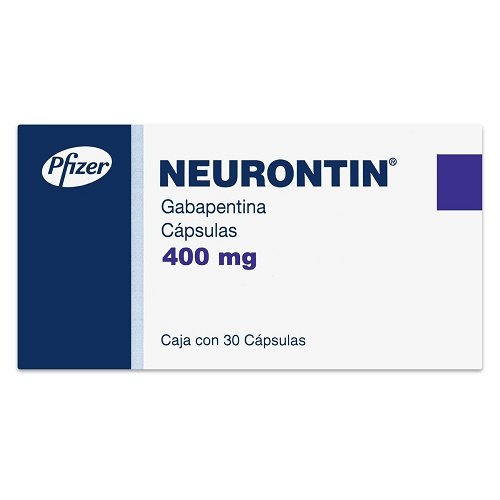
| Brand name | Neurontin |
|---|---|
| Main molecule | Gabapentin |
| Indicated for | Neuropathic pain relief |
| Strengths available | 100 mg, 300 mg, 400 mg, 600 mg, 800 mg |
| When does it start to work? | Within 1–3 hours after taking |
| Effect duration | Approximately 8–12 hours per dose |
| Prescription requirement | Mandatory in the United States |
| Typical dosing schedule | Daily, divided into 2–3 doses |
| Major US generics | Gabapentin by Aurobindo, Teva, Amneal |
Neurontin for Neuropathic Pain: Guidance for the United States
Neurontin, containing the active compound gabapentin, is a prescription medication licensed in the United States for the management of neuropathic pain. It is widely used for nerve-related discomfort and is available legally by prescription through both in-person and telehealth services. This guide will walk you through every decision point, from understanding your pain to knowing if Neurontin is the right fit and how to obtain it in the US context.
Neuropathic Pain: A Common and Treatable Challenge
Living with persistent nerve pain is not uncommon, and it can affect every aspect of life—from sleep to work to relationships. According to the American Chronic Pain Association, an estimated 7–10% of people in the United States experience neuropathic pain at some point in their lives (American Chronic Pain Association, 2022). This type of pain, resulting from nerve injury, diabetes, shingles, or even surgery, often does not respond to typical painkillers. The good news: treatment options with proven effectiveness exist and are supported by US regulatory authorities. You are not alone, and your pain is recognized as a real, manageable medical condition.
How Neurontin Targets Neuropathic Pain at Its Source
Neurontin (gabapentin) does not simply mask pain signals like traditional pain relievers. Instead, it works by modifying the way your nervous system transmits and processes pain. Specifically, gabapentin binds to certain calcium channels in nerve cells. This action reduces the release of neurotransmitters—chemical messengers involved in amplifying pain signals. The result: less “noise” along the damaged nerves, leading to a decrease in burning, tingling, or shooting pain sensations that define neuropathic pain.
- Physiological mechanism: Gabapentin dampens overactive pain signaling in damaged nerves—without suppressing the overall nervous system.
- Practical consequence: Most users begin to notice relief within the first week, with maximum benefit typically reached over several weeks of regular use.
For those who have found little relief with over-the-counter painkillers or standard anti-inflammatories, Neurontin offers a fundamentally different approach and can change daily life by reducing pain intensity and frequency.
Is Neurontin Right for You? Matching Medication to Life Scenarios
| Your situation | Recommendation | Why? |
|---|---|---|
| You have diabetic nerve pain not relieved by standard painkillers | Consider Neurontin | Gabapentin is FDA-approved for diabetic neuropathy and often provides relief where other drugs do not. |
| You experience nerve pain after shingles (postherpetic neuralgia) | Neurontin is a first-line option | Gabapentin is specifically indicated for this condition and has a strong evidence base for effectiveness. |
| You have mild, occasional nerve pain not interfering with daily life | Try non-medicinal approaches first | Because gabapentin is intended for persistent or moderate to severe pain—lifestyle changes or topical treatments may suffice for mild cases. |
| You have a history of severe kidney problems | Neurontin may not be suitable | Gabapentin is eliminated through the kidneys; in severe renal impairment, dose adjustments or alternative medications are necessary. |
| You are already prescribed several CNS-acting medications (e.g., strong sedatives, opioids) | Discuss with your healthcare provider | Combining gabapentin with other nervous system depressants requires caution due to increased risk of drowsiness and breathing difficulties. |
These scenarios highlight when Neurontin is likely to be effective, and when it is not the optimal first step. An honest match between your pain pattern, health status, and medication profile is crucial before starting therapy.
Integrating Neurontin into Daily Life: Practical Use and What to Expect
- How to take: Neurontin is usually started at a low dose, gradually increased (“titrated”) over several days to minimize side effects. It is taken by mouth, with or without food, 2–3 times daily.
- If you forget a dose: Take it as soon as you remember, unless it’s almost time for the next dose—then skip the missed dose. Doubling up can increase side effects.
- When you will feel improvement: Initial relief can occur within days, but full benefit may take 2–4 weeks of continuous use.
- What if there is no effect after several weeks? Do not increase your dose on your own. Contact your prescribing clinician—sometimes a different medication or a higher carefully supervised dose is needed.
- Normal experiences: Mild drowsiness, lightheadedness, or occasional stomach upset may occur at first and often improve with time or dose adjustment.
- When to contact your provider: If you experience severe dizziness, swelling, mood changes, or skin rash, seek medical advice promptly.
- Stopping therapy: Neurontin should not be stopped abruptly; doses must be reduced gradually under medical supervision to avoid withdrawal symptoms.
Daily routines—such as eating, driving, or working—may need minor adjustments initially due to drowsiness. Most people find these effects fade over the first 1–2 weeks. It is essential to follow the titration schedule your provider gives you; this is tailored to your health profile and minimizes risks.
Ensuring Neurontin Is Safe for You: Contraindications
Neurontin is not suitable for everyone. Understanding why certain conditions make its use risky provides clarity:
- Severe kidney disease: Gabapentin is cleared primarily by the kidneys. Impaired function can lead to accumulation and toxicity, requiring either dose adjustment or alternative treatments.
- Allergy to gabapentin or any component of the formulation: Because allergic reactions can be serious, anyone with a known hypersensitivity must avoid this medication.
- Children under age 3: Safety and effectiveness have not been established for young children in neuropathic pain indications.
- Uncontrolled respiratory problems: Gabapentin can cause sedation and slow breathing, which is especially problematic in those with pre-existing breathing disorders.
If you have one of these conditions, discuss alternative pain management strategies with your healthcare provider. Never start or stop Neurontin on your own without professional input.
What Side Effects to Expect—and Which Require Immediate Action
- Common and generally mild: Drowsiness, dizziness, fatigue, mild swelling in the legs. These frequently resolve as your body adjusts.
- Occasional and should be discussed with your doctor: Mood changes (depression, irritability), memory difficulty, balance issues, or persistent swelling.
- Rare but serious: seek immediate help: Severe skin rash, breathing difficulty, swelling of the face or throat (possible allergic reaction), or thoughts of self-harm. If these occur, call 911 or seek emergency care at once.
The most common side effects—drowsiness and lightheadedness—tend to diminish with continued use or dose reduction. More severe reactions are very uncommon but warrant prompt medical attention. For urgent situations (severe allergic reaction, trouble breathing, or sudden swelling), the national emergency number in the United States is 911.
Can You Take Neurontin With Other Medications? Interaction Risks
Gabapentin has relatively few interactions compared to many pain medications, but certain combinations could raise risk:
- Other sedatives (opioids, benzodiazepines, sleep aids): May increase drowsiness and risk of slowed breathing. Combined use should be carefully supervised by your doctor.
- Antacids containing aluminum or magnesium: Can reduce absorption of gabapentin. If both are needed, separate doses by at least two hours.
- Alcohol: May intensify drowsiness and dizziness; limit or avoid use while taking Neurontin.
Always inform your provider of all medications and supplements you use. If you start new prescriptions, check for updated guidance—drug interactions may change with new medical information.
How Neurontin Compares: Alternatives and Limitations
| Medication | Best suited for | Advantages | Drawbacks |
|---|---|---|---|
| Neurontin (Gabapentin) | Diabetic neuropathy, postherpetic neuralgia | Well-tolerated, few drug interactions, flexible dosing | Can cause drowsiness, requires titration, not suitable for severe kidney disease |
| Lyrica (Pregabalin) | Similar nerve pain conditions | Quicker titration, sometimes better for severe pain | Higher cost, more likely to cause weight gain and swelling |
| Tricyclic antidepressants (e.g., amitriptyline) | Neuropathic pain, often when other options fail | Alternative mechanism, sometimes better for sleep issues | More side effects: dry mouth, constipation, heart effects |
Neurontin is usually chosen for its safety profile and flexibility. Lyrica (pregabalin) is a close alternative and may work faster for some but is costlier and sometimes less well tolerated. Tricyclic antidepressants are reserved for cases where gabapentinoids do not provide adequate relief or are not tolerated. Choice depends on your health history, current medications, and side effect tolerance—the best solution is highly individual.
Buying Neurontin in the United States: What to Expect and Real Costs
Neurontin is a prescription-only medication. In the United States, you can obtain it through a traditional brick-and-mortar pharmacy with a valid prescription from your provider, or through online pharmacies and telemedicine platforms that facilitate remote doctor consultations. Be aware that US law requires a prescription, though some online outlets may advertise otherwise—such practices are not compliant with FDA regulations, and safety cannot be guaranteed in these cases.
| Cost item | Amount | Note |
|---|---|---|
| Doctor consultation (in-person or telemedicine) | $75–$250 | Varies by provider and insurance coverage |
| Prescription processing | $0–$25 | Sometimes included in visit, sometimes separate |
| Neurontin (gabapentin) itself | $10–$60/month | Generic gabapentin, 90 tablets of 300 mg |
| Delivery (if online pharmacy) | $0–$20 | Standard shipping; express options cost more |
| Total | $85–$355 for first month | Depending on consultation and delivery choices |
Insurance may cover some or all costs, especially if you have prescription benefits. If paying out-of-pocket, using generic gabapentin (identical active ingredient) is typically much more affordable than brand-name Neurontin. Most US pharmacies and telehealth providers can fill gabapentin prescriptions rapidly, often within 1–2 days.
What If You Have More Questions or Unique Concerns?
As a US-based pain specialist, I frequently reassure patients that the first few weeks with Neurontin are about finding the right dose for your comfort and daily life. If you have unusual symptoms, feel uncertain about combining it with your other medications, or have a chronic health problem not discussed here, your prescriber is your best resource. The goal is always a tailored solution—no two cases of neuropathic pain are quite alike.
Regulatory oversight for gabapentin is provided by the US Food and Drug Administration (FDA), which means all products dispensed through licensed pharmacies meet strict quality standards. If you are ever in doubt about the legitimacy of an online pharmacy, the National Association of Boards of Pharmacy (nabp.pharmacy) provides a list of verified US pharmacies.