- Home/
- Buy Furosemide Online in the United States – Fast Shipping Available
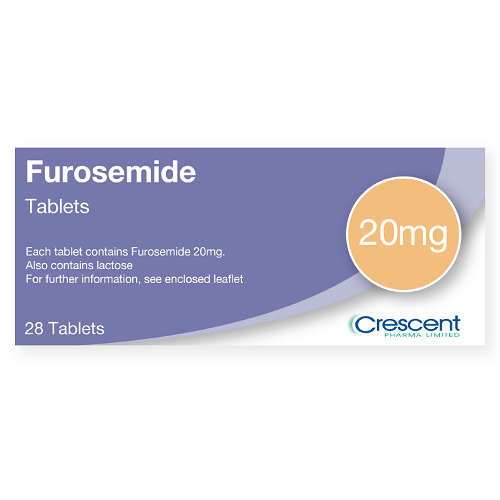
| Product Name | Furosemide |
|---|---|
| Main Component | Furosemide |
| Condition Treated | Fluid retention (Edema) |
| Strength Variants | 20 mg, 40 mg, 80 mg tablets |
| Initial Action Time | 30 to 60 minutes after oral use |
| Effect Duration | Up to 6 hours for oral, shorter for IV |
| Dosing Frequency | Usually once or twice daily based on need |
| Prescription Status | Prescription only in the United States |
| Typical Price Range | $4–$30 per month (generic) |
Furosemide for Edema: What to Know and How to Access It in the United States
Furosemide is a prescription medication used throughout the United States to manage various types of edema, or abnormal fluid buildup in the body. This medication works by encouraging the kidneys to remove excess water and salt, making it a practical choice for those with heart, liver, or kidney-related swelling. Furosemide is regulated by the Food and Drug Administration (FDA), ensuring its availability and safety standards within the country.
Understanding Edema: Why You Are Not Alone
Edema, the accumulation of fluid in tissues, is a common problem for Americans living with heart failure, liver cirrhosis, kidney disease, or even after certain surgeries. According to the Centers for Disease Control and Prevention (CDC), nearly 6.7 million adults in the United States have heart failure—a major cause of chronic edema—as of 2022. The National Kidney Foundation notes that about 37 million Americans live with chronic kidney disease, another primary driver of fluid buildup. These numbers show that thousands of people are diagnosed or treated for edema every day. Most importantly, edema is not a sign of personal failure or neglect: it is a complication of underlying medical problems for which there are proven, science-based treatments. The good news is that with the right therapy—including medications like Furosemide—most people can reduce swelling, improve comfort, and regain mobility.
How Furosemide Resolves Fluid Buildup — What Happens in Your Body
Furosemide acts as a loop diuretic—a medication that tells your kidneys to remove extra salt and water from your blood. Here’s how the process works: Furosemide blocks a specific transport system in the kidney’s loop of Henle, which is a part of the kidney filter responsible for reabsorbing sodium and chloride. Without this reabsorption, the salt (and water that follows it) is flushed out in urine. The practical result: within an hour of taking Furosemide, most people notice an increase in urination, and over the next hours to days, a visible reduction in swelling, less puffiness in the ankles, legs, or abdomen, and often easier breathing if fluid was affecting the lungs.
For patients, the key benefit is relief from the uncomfortable—and sometimes dangerous—consequences of fluid overload. Reduced swelling means less tightness, less weight gain from fluid, and a lower risk of complications like skin ulcers or breathing problems.
Is Furosemide Right for You? Matching Real-Life Scenarios to the Right Choice
| Your Situation | Is Furosemide Suitable? | Reasoning |
|---|---|---|
| Chronic leg swelling from heart failure, confirmed by your doctor | Yes, often recommended | Because Furosemide is proven to reduce fluid retention due to heart failure and is included in standard care guidelines. |
| Sudden ankle swelling during pregnancy, with high blood pressure | Not the first choice | Because swelling in pregnancy can signal preeclampsia—which requires specialist assessment. Diuretics like Furosemide are used cautiously or not at all in these cases. |
| Swelling and shortness of breath from chronic kidney disease, prescribed by a nephrologist | Yes, typically used | Because Furosemide remains effective in many kidney conditions, but dosing may need adjustment based on kidney function. |
| Minor foot swelling after a long flight, no other symptoms | Not typically indicated | Because mild, situational swelling often resolves without medication. Furosemide is reserved for persistent or symptomatic edema from medical causes. |
| Fluid buildup from liver cirrhosis, under doctor’s care | Often used | Because Furosemide can help reduce ascites (abdominal fluid) and peripheral edema, but dosing and monitoring are essential due to liver risks. |
If your situation does not clearly fit one of these categories, or if you have unexplained swelling, it is important to consult a healthcare provider before starting or changing any medications.
Putting Furosemide into Practice: Taking, Timing, and What to Expect
Furosemide is most often taken in the morning, with or without food. Swallow the tablet whole with water. If a second dose is needed, it should usually be taken early in the afternoon—taking it late in the day can cause frequent night-time urination, disrupting sleep.
- If you forget a dose: Take it as soon as you remember unless it’s late in the day. If it’s close to your next scheduled dose, skip the missed one and return to your normal schedule—never double up.
- If you don’t notice a reduction in swelling: It may take a few days for the full effect, but if there is no improvement after several days or symptoms worsen (e.g., increased shortness of breath), contact your doctor. Dosage adjustments or a different approach may be needed.
- Diet and hydration: Furosemide can cause your body to lose potassium and other electrolytes, so your doctor may advise dietary adjustments or supplements. It is important to follow medical advice on salt and fluid intake, especially in heart or kidney conditions.
- Monitoring: Regular blood tests are often needed to check kidney function and electrolyte balance during ongoing therapy.
- Special cases: Tell your doctor if you are pregnant, breastfeeding, or planning surgery, as Furosemide use in these scenarios may need specific precautions.
Using Furosemide without medical supervision can lead to complications, especially in people with other chronic illnesses. Always follow your healthcare provider’s instructions and schedule follow-up appointments as advised.
Who Should Not Use Furosemide: Contraindications Explained
- Allergy to Furosemide or sulfa drugs: Because Furosemide is a sulfonamide derivative, people with a known allergy to these drugs may experience reactions ranging from rash to severe allergic responses.
- Severe electrolyte imbalance (very low potassium or sodium): Furosemide can further disturb electrolyte levels, which can be dangerous—your doctor will want to correct these before starting treatment.
- Severe kidney failure with no urine output: In cases where the kidneys have stopped producing urine (anuria), Furosemide will not be effective and may worsen the risk of toxicity.
- Hepatic coma or severe liver failure: Because rapid shifts in fluid and electrolytes can worsen mental status and other complications.
- Pregnancy and breastfeeding: Furosemide crosses the placenta and into breast milk. It is only used if clearly needed and with specialist oversight.
If you have any of these conditions, discuss alternatives with your healthcare provider. The risks are specific and based on how Furosemide changes fluid and salt levels in the body.
Furosemide: Side Effects — What to Expect and When to Get Help
- Common and usually mild: Increased urination, thirst, minor dizziness when standing up, and muscle cramps. These often resolve as your body adjusts. Mild changes in blood potassium or sodium may be picked up on blood tests before you feel symptoms.
- Occasional, may need a doctor’s input: Fatigue, headache, ringing in the ears, or sensitivity to sunlight. If you notice persistent muscle weakness, confusion, or irregular heartbeat, arrange a prompt check-up—these may indicate significant electrolyte shifts.
- Rare but urgent: Severe dehydration (dry mouth, no urination, fainting), serious allergic reactions (swelling of lips, face, trouble breathing), or sudden hearing loss. If these occur, call 911 or contact the Poison Help line at 1-800-222-1222 immediately. These are emergencies and require immediate intervention.
Most side effects are dose-related and resolve either with time or after adjusting the dose. Never change your dose without consulting your doctor, as abrupt changes can cause more harm than benefit.
Medication Interactions: How Furosemide May Affect or Be Affected by Other Drugs
Furosemide interacts with a range of common medications. Combining it with other blood pressure drugs, certain antibiotics like aminoglycosides (which can damage hearing), or nonsteroidal anti-inflammatory drugs (NSAIDs) may increase the risk of side effects or reduce Furosemide’s effectiveness. It can also alter how diabetes medications work and may increase the toxicity of lithium if you are being treated for bipolar disorder.
Because Furosemide changes body salt and water balance, combining it with other diuretics or medications affecting potassium (such as ACE inhibitors or digoxin) requires careful monitoring. Always give your complete medication list to your healthcare provider and pharmacist to avoid dangerous interactions.
Comparing Furosemide to Other Edema Treatments: Honest Analysis and Alternatives
| Medication | Typical Uses | Strengths | Limitations |
|---|---|---|---|
| Furosemide | Edema from heart, kidney, liver disease | Fast-acting, effective in moderate/severe edema, widely available, low cost (generics) | Requires monitoring; can cause electrolyte depletion; not ideal for minor or temporary swelling |
| Hydrochlorothiazide | Mild to moderate leg swelling, high blood pressure | Gentler; fewer electrolyte shifts; suitable for less severe fluid retention | Less potent for severe edema; slower onset |
| Spironolactone | Edema due to liver disease (ascites), heart failure | Retains potassium; useful when low potassium is a risk; often combined with Furosemide for balance | Acts more slowly; can affect hormone balance (breast tenderness, menstrual changes) |
| Torsemide/Bumetanide | Similar uses as Furosemide | Longer duration (torsemide), may be used if Furosemide fails | More expensive, less widely available, similar monitoring requirements |
| Compression Therapy (stockings) | Mild edema, prevention (e.g., after surgery or long travel) | Non-drug option; low risk of side effects | Ineffective for internal fluid overload or severe disease-related swelling |
Furosemide stands out for rapid, reliable relief in cases of significant, medically diagnosed edema. Alternatives may be better for mild swelling, specific underlying conditions, or for people at risk of low potassium. Most patients benefit from a tailored approach, sometimes combining medications or including non-drug interventions.
What You Will Actually Pay: Complete Cost Breakdown for Furosemide Therapy in the United States
| Cost Item | Amount | Note |
|---|---|---|
| Doctor visit (in-person or telemedicine) | $80 – $300 | Varies by location and insurance; telemedicine often on the lower end |
| Prescription charge | $0 – $20 | Depends on insurance and pharmacy |
| Furosemide (generic), 30 tablets (40 mg) | $4 – $15 | Retail or online pharmacy, may be higher without insurance |
| Home delivery (optional) | $5 – $20 | Standard vs. expedited shipping |
| Total | $89 – $355 | For a first-time user without insurance, including a doctor’s consultation |
Repeat prescriptions for ongoing therapy usually reduce the total cost, as follow-up visits may be less frequent and copays lower. Many pharmacies offer discount programs for generics—ask your local provider or check major online pharmacies. If you have insurance, your out-of-pocket costs may be lower, especially if Furosemide is included in your plan’s formulary.
Remaining Practical Questions Answered
- Can I buy Furosemide online without a prescription?
- Legally, Furosemide is a prescription-only medication in the United States, as regulated by the FDA. While some online vendors may claim to sell it without a prescription, this practice is not legal or recommended, and carries risks of counterfeit or unsafe products. Use only licensed pharmacies and follow your doctor’s guidance.
- How quickly will I see results?
- Most people experience increased urination within an hour of taking Furosemide, and noticeable reduction in swelling or improvement in breathing within days. Response varies depending on the underlying cause and severity.
- How can I be sure I am receiving genuine Furosemide?
- Purchase from pharmacies licensed by your state board or reputable online providers that require a valid prescription. Look for FDA approval markers on packaging and avoid medications from unclear or international sources.
- Is it safe to stop Furosemide suddenly if my swelling goes away?
- No—never stop or change your dose without discussing it with your healthcare provider. Stopping suddenly can cause fluid to build up again and may worsen your underlying condition.
If your question is not addressed here or your situation is unusual, raise it directly with your doctor. Ongoing communication and regular check-ins are the best ways to ensure safe and effective use of Furosemide.